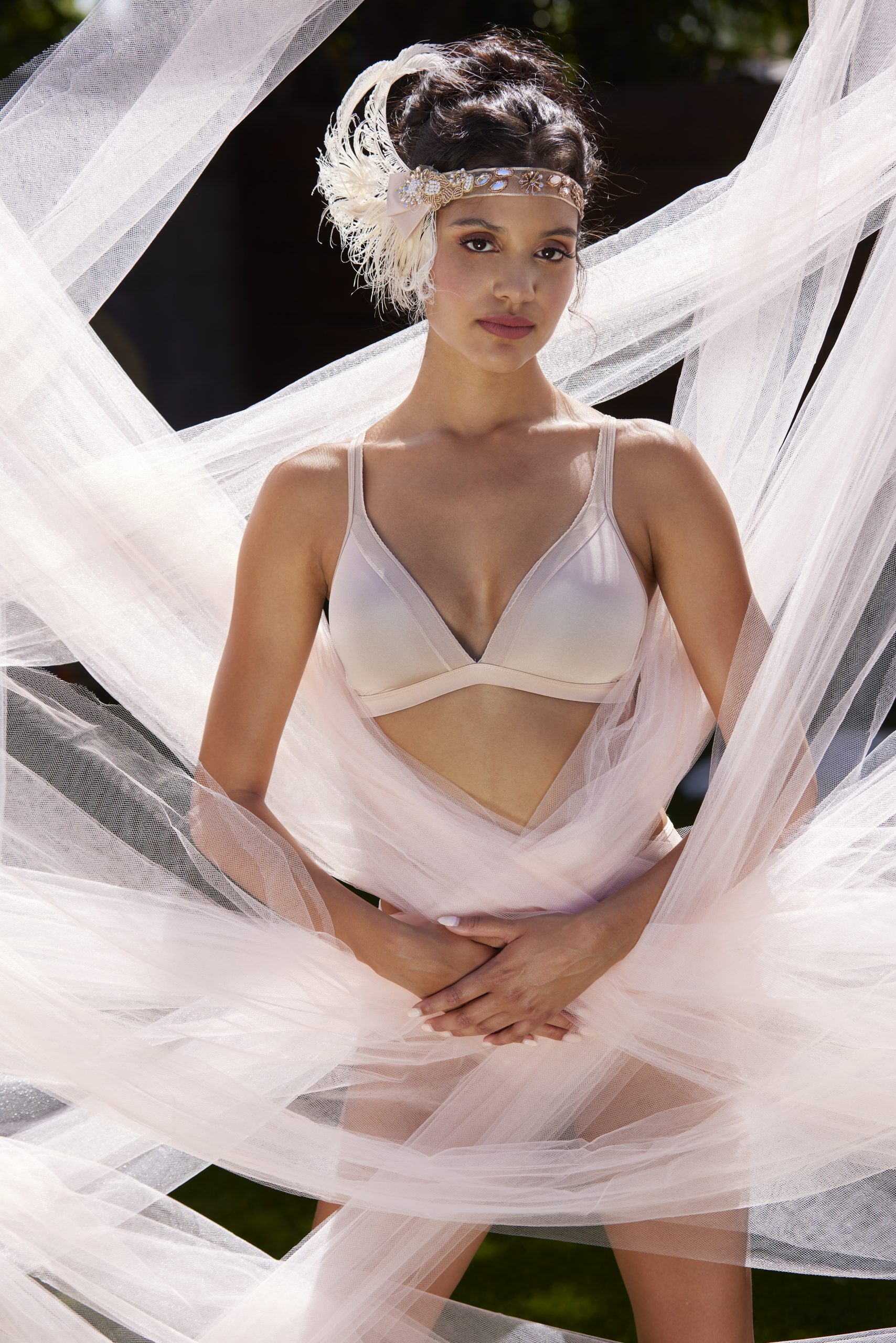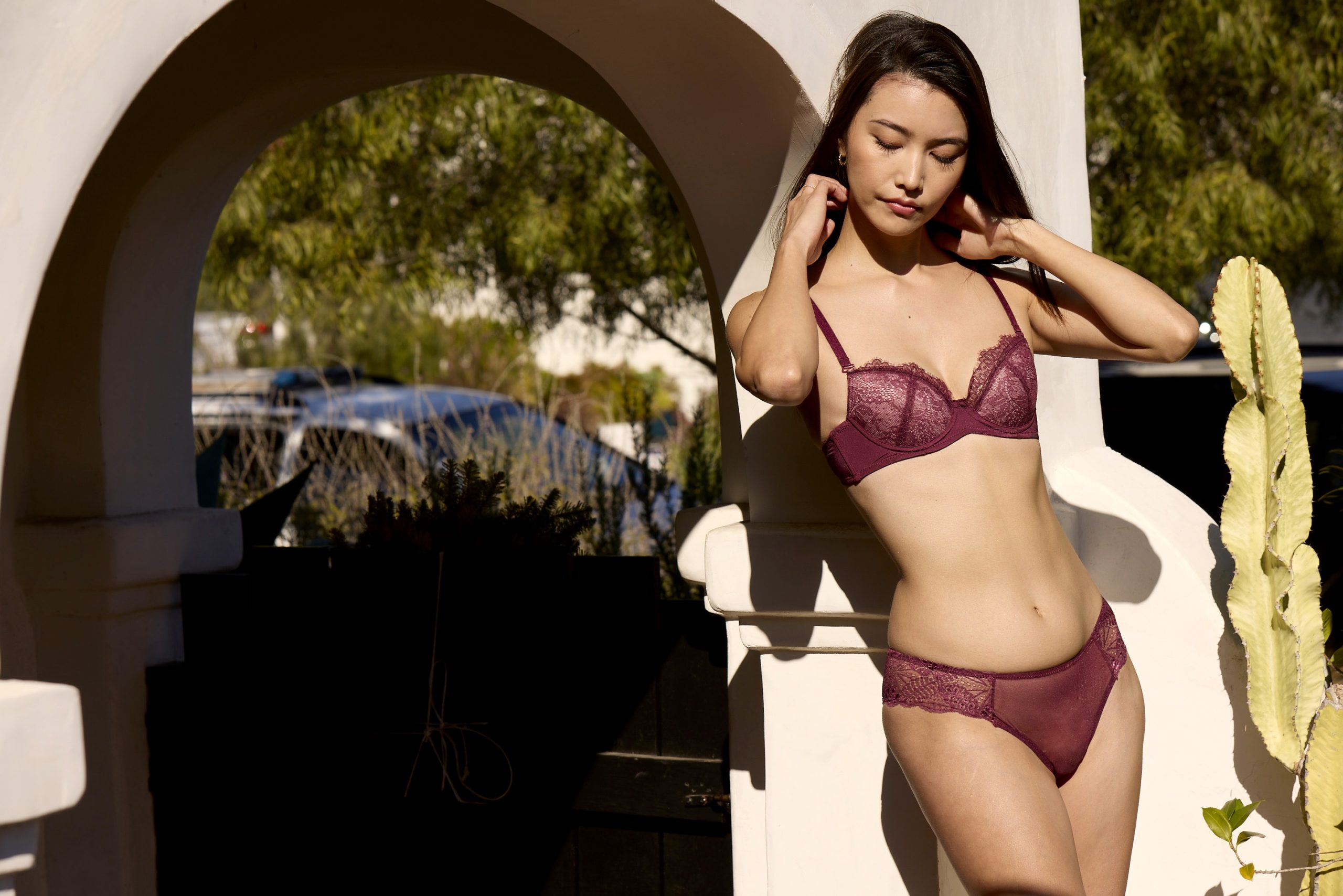
If you’ve ever caught a glimpse of yourself in a fitted top and noticed a little bulge sneaking out near your armpit, you’ve probably called it “armpit fat” and moved on with your day, maybe a little less confident than before. We get it. It’s one of the most common things our customers ask us about, and it’s exactly what we dug into on our latest Instagram reel.
Here’s the truth: in most cases, it’s not fat. It’s axillary breast tissue, and it’s a fit issue.
What’s Actually Happening
That soft bulge near your underarm has a name: axillary breast tissue. Breast tissue doesn’t stop neatly at the edge of your bra cup. It naturally extends up toward the armpit, and when your cup is too small or your band is too tight, that tissue gets pushed outward instead of being supported and contained where it should be. The result looks like “extra” fat, but it’s really just breast tissue that hasn’t found the right home yet.
This is completely normal and shows up on bodies of every size, smaller busts included. It has nothing to do with your weight or your fitness level. It’s simply how breast tissue is distributed, and the right bra can make all the difference in how it’s supported.
Why Your Bra Is Usually the Culprit
A band that’s too tight will squeeze skin and breast tissue upward, right into the armpit, creating lumps and bulges that have nothing to do with body fat. A cup that’s too small does something similar from the front, pushing tissue out the sides and top instead of holding it in place and containing it. Put those two together, and you get the classic “side boob meets back bulge” look that so many of us have blamed on our bodies instead of our bra size.
The frustrating part is that this can happen to anyone. Smaller busts, fuller busts, petite frames, curvier frames. It’s not about how much you weigh. It’s about whether your bra is actually built to support your specific shape.
What Actually Helps
- Get remeasured, especially if it’s been a while. Your size shifts with weight changes, hormones, and even the season. If you’re not sure your current size is right, that’s the first place to start.
- Look for a fuller cup. If tissue is spilling out the top or sides, sizing up in the cup (not necessarily the band) often solves it instantly.
- Check your band. A band that rides up in the back or digs in is too big or too small, and either one can push tissue toward your underarm.
- Try wider straps and side panels. Styles with more coverage along the side, rather than a thin demi cut, distribute tissue more evenly instead of letting it bunch in one spot.
- Give a few styles an honest trial. Fit isn’t one-size-fits-all, even within your own size. What smooths things out for one body might not work for another, and that’s normal.
The Bottom Line
Before you blame your body, blame your bra. Most of what gets called “armpit fat” is really just axillary breast tissue that hasn’t found the right support yet, and that’s a fit problem, not a flaw. The goal isn’t to hide anything. It’s to find a bra that actually works with your shape instead of against it. Not sure where to start? Our Fitting Room walks you through finding your true size step by step, or try our Fit Calculator for a quick recommendation.
While We’re Talking About the Chest Area: Get to Know Your Breasts
Since we’re already on the topic of the underarm and breast tissue area, it’s a good moment for a reminder that has nothing to do with bra shopping: knowing what’s normal for your body matters, and so does staying on top of screening.
According to the American Cancer Society, women at average risk have the option to start annual mammograms between ages 40 and 44, and should begin annual screening at 45, moving to every other year (or continuing annually, if preferred) starting at 55. Routine self-exams are no longer considered a standalone screening method, but the ACS still stresses that being familiar with how your breasts normally look and feel, including that softer tissue near the underarm, makes it easier to notice and report any real changes to your doctor.
A few places worth bookmarking:
If you caught our reel on this and want help finding your right fit, our Fit Specialists are always happy to talk sizing with you, and you can shop the full collection here. You deserve a bra that feels good and looks good, not one that leaves you second-guessing your body in the mirror.